
Biomarker Technology Designed for Time-Critical Care
FAST>ER™ is a rapid biomarker assay designed to provide objective molecular information during time-sensitive clinical evaluation.
The technology focuses on detecting GSTP (Glutathione S-Transferase Pi), a biomarker associated with cellular stress and injury, to support earlier insight alongside existing clinical tools.
FAST>ER™ is intended to complement — not replace — imaging, clinical assessment, or established diagnostic workflows.
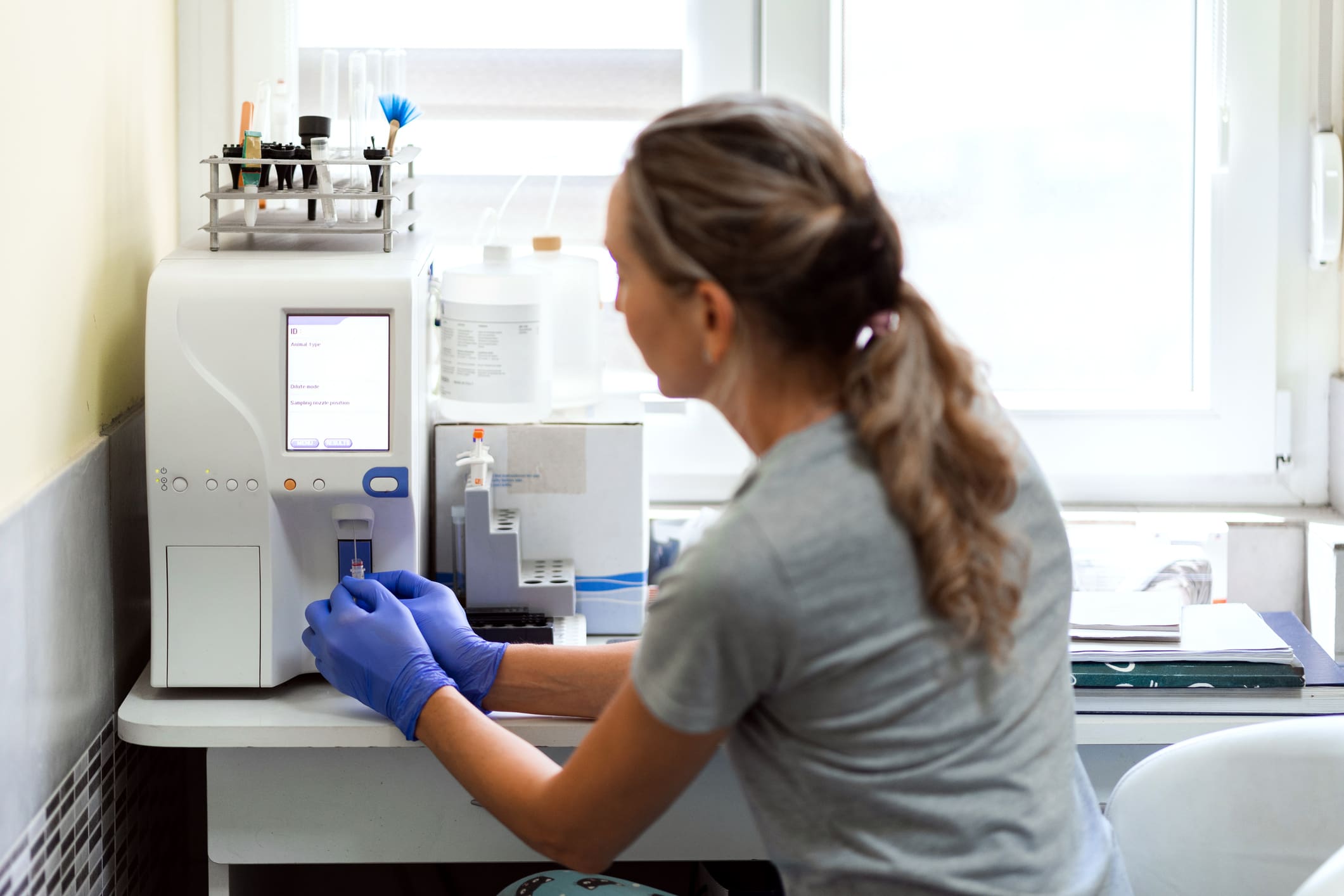
Why GSTP?
GSTP (Glutathione S-Transferase Pi) is a stress-response enzyme involved in cellular detoxification and oxidative stress pathways.
Under conditions of acute injury or ischemia:
- Cellular stress occurs early
- Molecular changes may precede structural damage
- GSTP expression and release can reflect underlying biological processes
These characteristics make GSTP a compelling biomarker candidate for time-critical clinical contexts.
GSTP measurement is intended to provide biomarker context — not a standalone diagnosis.
Assay Design & Platform Architecture
The FAST>ER™ assay is based on an immunoassay architecture developed for reliability, reproducibility, and rapid signal generation.
Platform features include:
- High-affinity biomarker capture
- Controlled signal development
- Compatibility with point-of-care use
- Design considerations aligned with regulatory requirements
The platform architecture is adaptable and supports exploration of additional biomarker targets over time.
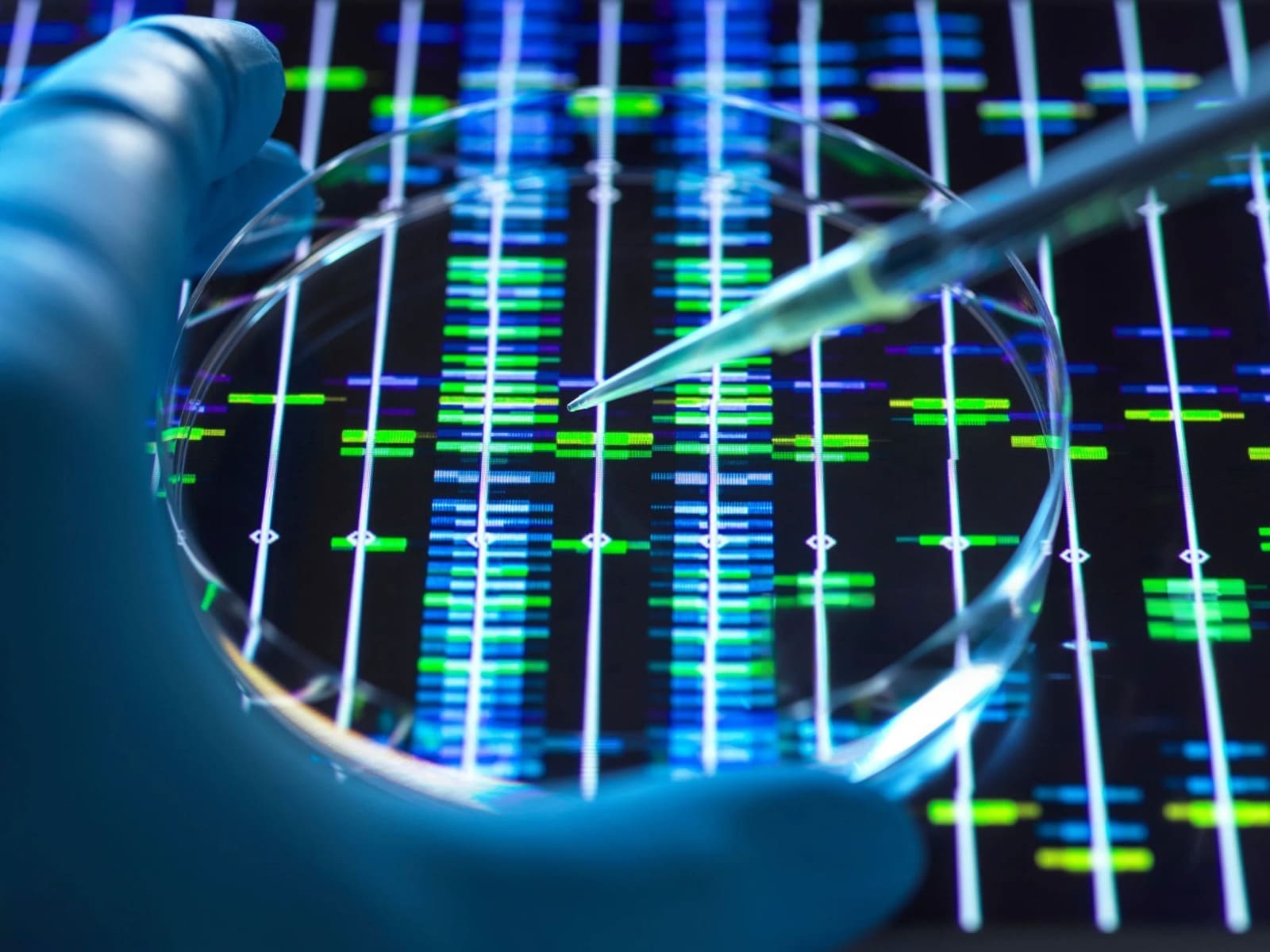

Technology Overview
FAST>ER™ is built on a proprietary immunoassay platform optimized for rapid detection of biomarker signals at the point of care.
Key design principles include:
- Rapid turnaround suitable for urgent settings
- Objective molecular signal detection
- Minimal workflow disruption
- Compatibility with diverse care environments
The platform is designed for use in settings where traditional laboratory testing may be impractical due to time constraints.
How FAST>ER™ Works
Step-Based Description
- A small blood sample is obtained at the point of care
- GSTP is detected using a proprietary immunoassay format
- A biomarker signal is generated within minutes
- Results are available to support clinical assessment and decision-making
FAST>ER™ is designed to integrate into existing clinical workflows without delaying care.
Clinical Context
FAST>ER™ is being evaluated for use in time-critical clinical scenarios where early molecular insight may be valuable.
Potential contexts under evaluation include:
- Acute neurologic injury
- Ischemic injury
- Other settings involving rapid cellular stress
Clinical use is guided by validation data and regulatory alignment.
From a Single Assay to a Biomarker Platform
FAST>ER™ represents the first clinical application of a broader biomarker platform under development.
The platform approach enables:
- Scientific continuity across indications
- Reuse of validated assay architecture
- Expansion guided by biological relevance and regulatory considerations
Future applications are explored incrementally, following validation and appropriate regulatory pathways.